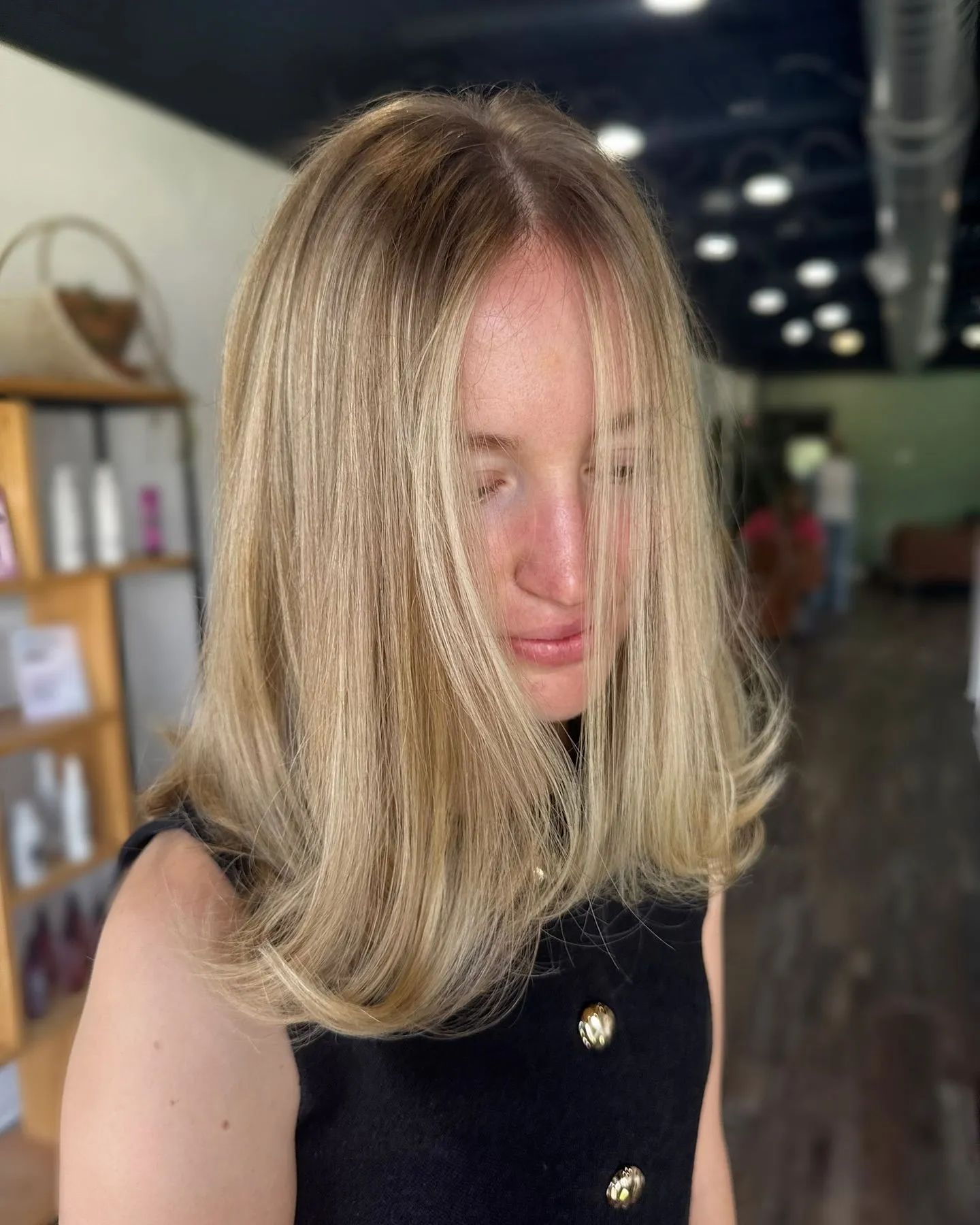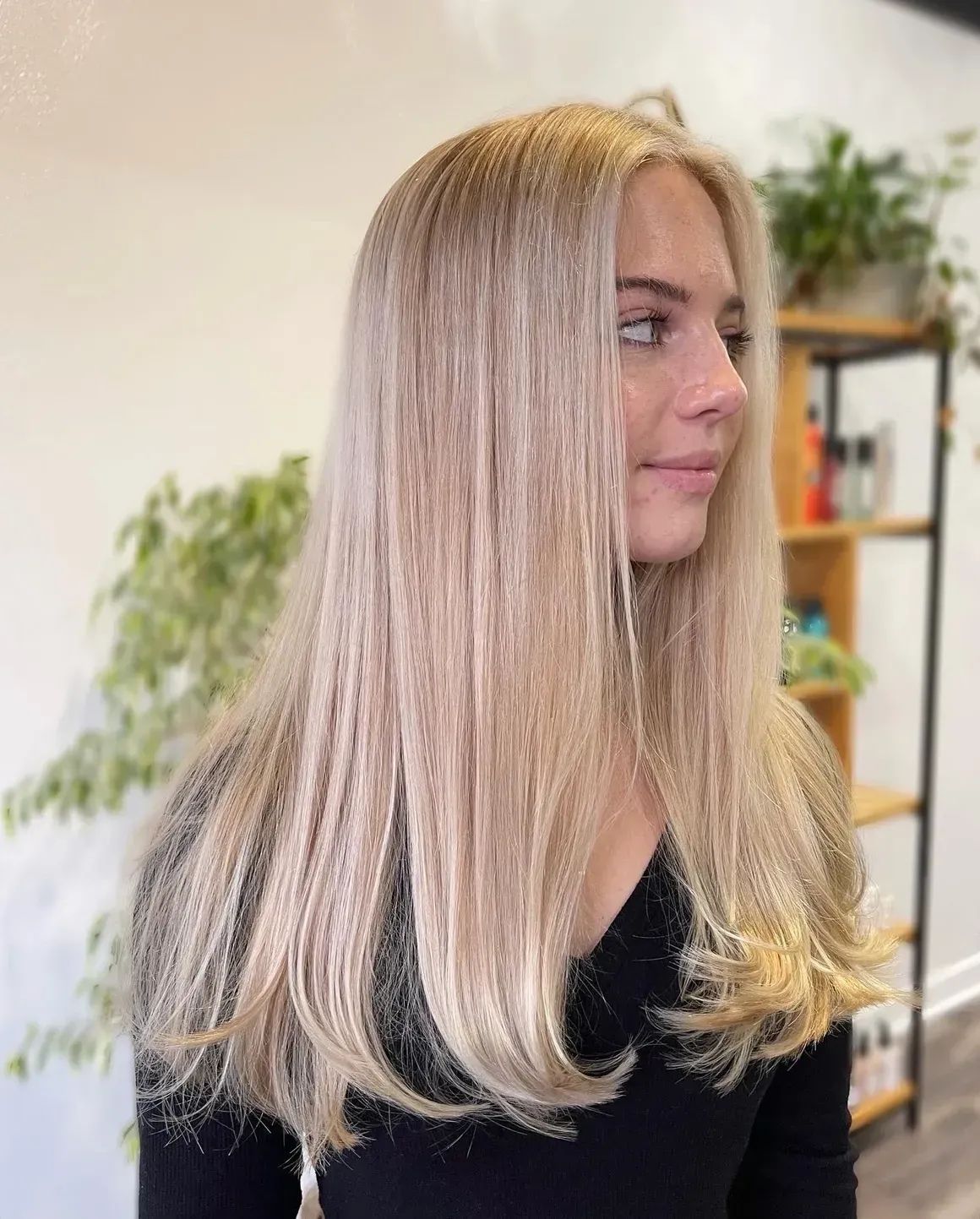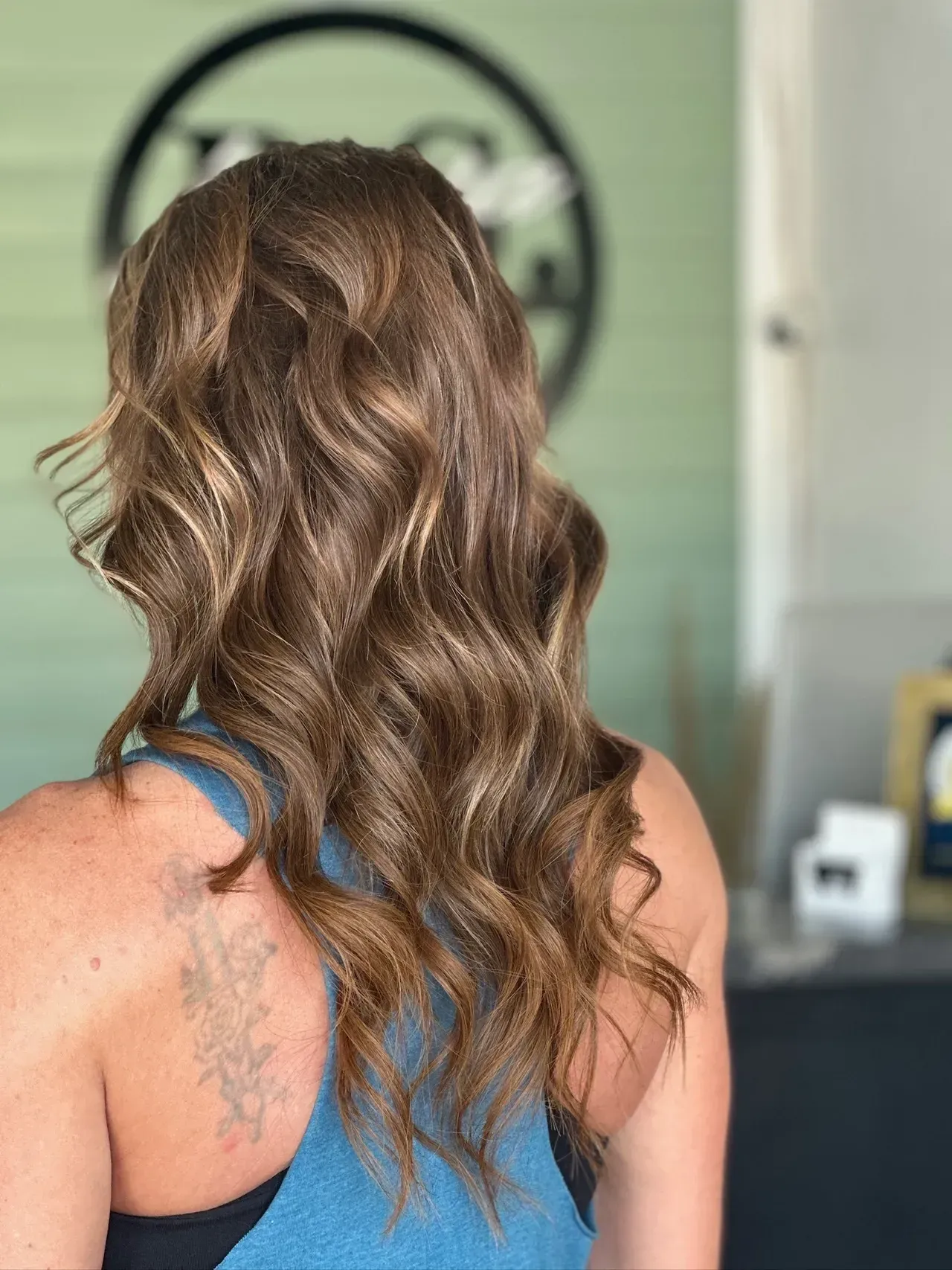
What to Expect at Your First Balayage Appointment
Quick Answer: Your first balayage appointment starts with a consultation where your stylist reviews your hair's history, texture, and goals, then hand-paints lightener onto sections of your hair in a freehand pattern that avoids harsh lines. After the color processes, your stylist rinses, applies a toner to dial in the exact shade, and finishes with a blow-dry and style so you see the full result before you leave. Plan for a longer chair time than a typical color service, since hand-painting and processing simply take longer than a quick root touch-up. Aftercare in the first few days, gentle products, and spacing out your washes are what keep the color looking fresh between visits.
You booked it. Maybe you've had the same box-dye brown for years, or you've been staring at inspiration photos on your phone for months trying to work up the nerve. Either way, the appointment is on the calendar now. The excitement is starting to compete with a little nervous energy. What if the color comes out too brassy? What if you're stuck in the chair for hours longer than you expected? What if it just doesn't look like the picture?
Those questions are normal. And they're easy to answer once you know what actually happens between walking in the door and walking out with your new color. Balayage isn't a mystery process, it's a skill-based technique with a predictable rhythm: talk, paint, process, tone, reveal. Knowing that rhythm ahead of time turns nervous energy into anticipation, and it helps you show up prepared instead of guessing.
The Consultation Comes First
Nothing gets painted on your hair until your stylist understands what they're working with. This part of the appointment is not a formality. It's where the whole plan for your color gets built.
Your hair history gets reviewed
Your stylist will ask about any previous color, box dye, keratin treatments, or chemical services you've had, because those all affect how your hair responds to lightener. Hair that's been colored before lifts differently than virgin hair, and knowing that history up front prevents surprises once the lightener is on.
Your goals get translated into a technical plan
This is where reference photos actually help. A picture of a sun-kissed, lived-in blonde tells your stylist something different than a picture of high-contrast, dramatic dimension, even if both photos are labeled "balayage" online. Your stylist looks at your natural base color, your skin's undertone, and your face shape, then maps out where the lighter pieces should land so the result looks intentional instead of random.
Texture and density factor into placement
Fine hair holds lightener differently than thick, coarse hair, and your stylist adjusts the painting technique and saturation accordingly. This is also where they'll flag anything that needs a slower approach, like hair that's already been heavily processed and needs to lift gradually across more than one visit to protect its integrity.
A strand test may happen for extreme changes
If you're moving from a very dark natural color to something much lighter, your stylist may test a small section first to see how the hair responds before committing the whole head to the plan. This isn't standard for every balayage appointment. It's a smart step for a dramatic shift.
One more thing worth mentioning during this conversation: any history of scalp sensitivity or reactions to hair color products. Most balayage is painted away from the scalp, which is part of why it's a gentler option overall, but ongoing irritation that shows up after color services should get checked by a dermatologist rather than guessed at.
What Actually Happens During the Appointment
Once the plan is set, the technical work begins, and it moves through a few distinct stages.
Sectioning comes first
Your stylist divides your hair into workable sections so the painting process stays organized and consistent. This part looks less glamorous than the finished result, but it's what keeps the placement even instead of patchy.
Hand-painting is the signature step
Unlike foil highlights, where lightener is sealed inside foil packets for a uniform effect, balayage is painted freehand directly onto the hair using sweeping strokes. Your stylist works section by section, concentrating lightener on the mid-lengths and ends while leaving the area closest to your scalp untouched or barely touched. That's the technique that produces the soft, grown-out look balayage is known for, and it's also why the root line doesn't look harsh months later.
Processing takes real time
Once the lightener is on, it needs to sit and develop, and your stylist checks it periodically to make sure the lift is even before rinsing. This is the part of the appointment where you can actually relax. Bring a book or just enjoy having nowhere else to be for once.
Toning shapes the final shade
After the lightener is rinsed, a toner or gloss goes on to correct any unwanted warmth and dial in the exact tone you and your stylist discussed, whether that's a buttery honey blonde or a cooler, ashier finish. Skip this step and you get that flat, brassy look nobody wants. Toning is what turns "lightened hair" into a finished, dimensional color.
The reveal comes with a blow-dry and style
Your stylist finishes with a wash, a nourishing conditioner, and a full blow-dry so you see the color exactly as it will look day to day, not just wet and flat under salon lighting.
Because of all those stages, a full balayage appointment runs noticeably longer than a quick trim or a root touch-up. Hand-painting simply takes more time than foil placement, and a longer, thicker head of hair takes more time than a shorter one. If you're adding a haircut onto the same visit, factor in extra time for that too. Your stylist will give you a realistic sense of how long your specific appointment should take once they've seen your hair and heard your goals, so you can plan the rest of your day around it instead of guessing.
Tip: Come to your appointment with clean, product-free hair, ideally washed the day before rather than the morning of. Buildup from dry shampoo, oils, or heavy styling products can interfere with how evenly the lightener processes.
Caring for Your New Balayage
The first few days after your appointment matter more than people expect, and the habits you build after that keep the color looking good between salon visits.
Give the color time to settle
Try to hold off on washing your hair for at least the first 48 to 72 hours. Freshly toned hair is still settling into its final shade, and an early wash can pull some of that toner right back out before it's had a chance to fully bond.
Switch to sulfate-free shampoo and conditioner
Sulfates are the harsh cleansing agents in a lot of drugstore shampoo, and they strip color faster than gentler formulas. A sulfate-free, color-safe shampoo is one of the simplest changes you can make to protect your investment.
Bring in a purple or toning shampoo, but don't overdo it
Blonde and lightened hair can pick up brassy, yellow undertones over time, especially with sun exposure or hard water. A purple shampoo used once or twice a week helps neutralize that warmth and keeps your tone looking clean. Using it every single wash can sometimes overcorrect and leave hair looking dull or slightly gray, so it's a "some of the time" product, not an everyday one.
Stretch out your washes
Washing every two to three days instead of daily slows down color fade and gives your scalp's natural oils a chance to do some of the conditioning work for you. Dry shampoo can bridge the gap on non-wash days.
Add a weekly deep conditioning or bond-repair treatment
Lightened hair needs extra moisture and strength support to stay soft and resist breakage. A weekly mask or in-salon bond treatment helps counteract the dryness that comes with any lightening process.
Protect your hair from heat
If you're blow-drying or using hot tools, apply a heat protectant first, every time. Heat damage shows up as dullness and can make color fade faster than it should.
Watch for humidity and sun
Central Virginia summers bring plenty of both, and sun exposure combined with humidity can shift a cool blonde toward brass faster than you'd expect. A UV-protecting spray and that toning shampoo routine both help slow that shift down.
Know when to book your refresh
Balayage is designed to grow out gracefully, which is one of its biggest advantages over traditional foil highlights. Most clients come back for a toner refresh or touch-up somewhere in the eight to twelve week range, depending on how much contrast you have and how quickly your hair grows. Booking that refresh before the color fades all the way out makes the maintenance appointment faster and the result more consistent.
Frequently Asked Questions
Will my balayage look exactly like the photo I brought in?
Not exactly, and that's actually a good thing. Reference photos start the conversation, but your stylist adapts placement, tone, and contrast to your natural base color, texture, and undertone, so results look genuine on you.
Do I need a patch test before my appointment?
Most balayage clients don't need a formal patch test since the lightener is applied away from the scalp, but if you have a documented allergy or scalp reaction history, please mention it when you book.
Can I get balayage if my hair is already color-treated or damaged?
Often yes, but it depends on your hair's current condition. Your stylist evaluates how much it can safely lift in one session, and heavily processed hair may need a gradual approach across two full visits.
How is balayage different from regular highlights in terms of what I should expect?
Foil highlights create uniform brightness root to end, while balayage is hand-painted for a softer, blended look with natural grow-out. That difference means longer freehand painting time and a toning step that shapes the shade.
Confidence Comes From Knowing What's Ahead
Walking into a balayage appointment for the first time feels a lot less intimidating once you know the rhythm behind it. The consultation sets the direction, the hand-painting builds the dimension, and the toning step brings everything into focus before you ever see the finished style. None of it is guesswork on your stylist's end, even if it feels new on yours. Understanding that process turns nervous energy into genuine anticipation, and it helps the appointment feel collaborative instead of uncertain from start to finish.
What happens after you leave the chair matters just as much as what happens in it. Gentle products, spaced-out washing, and a little patience in those first few days protect the color you just invested in. With 10
years of experience, Pavia Salon
in Lynchburg, Virginia approaches every balayage with that same attention, treating the consultation and the aftercare as equally important parts of getting your color right the first time and keeping it beautiful long after.
Recent Posts