How Often Should You Tone Your Blonde Hair?
You walk past the bathroom mirror a few weeks after your last salon visit, and the cool, clean blonde you loved is gone. A warm yellow cast has settled through your mid lengths, and the ends are starting to read gold or even faintly orange. You start wondering whether something went wrong in the chair, or whether blonde hair just does this on its own.
Here is the honest answer up front.
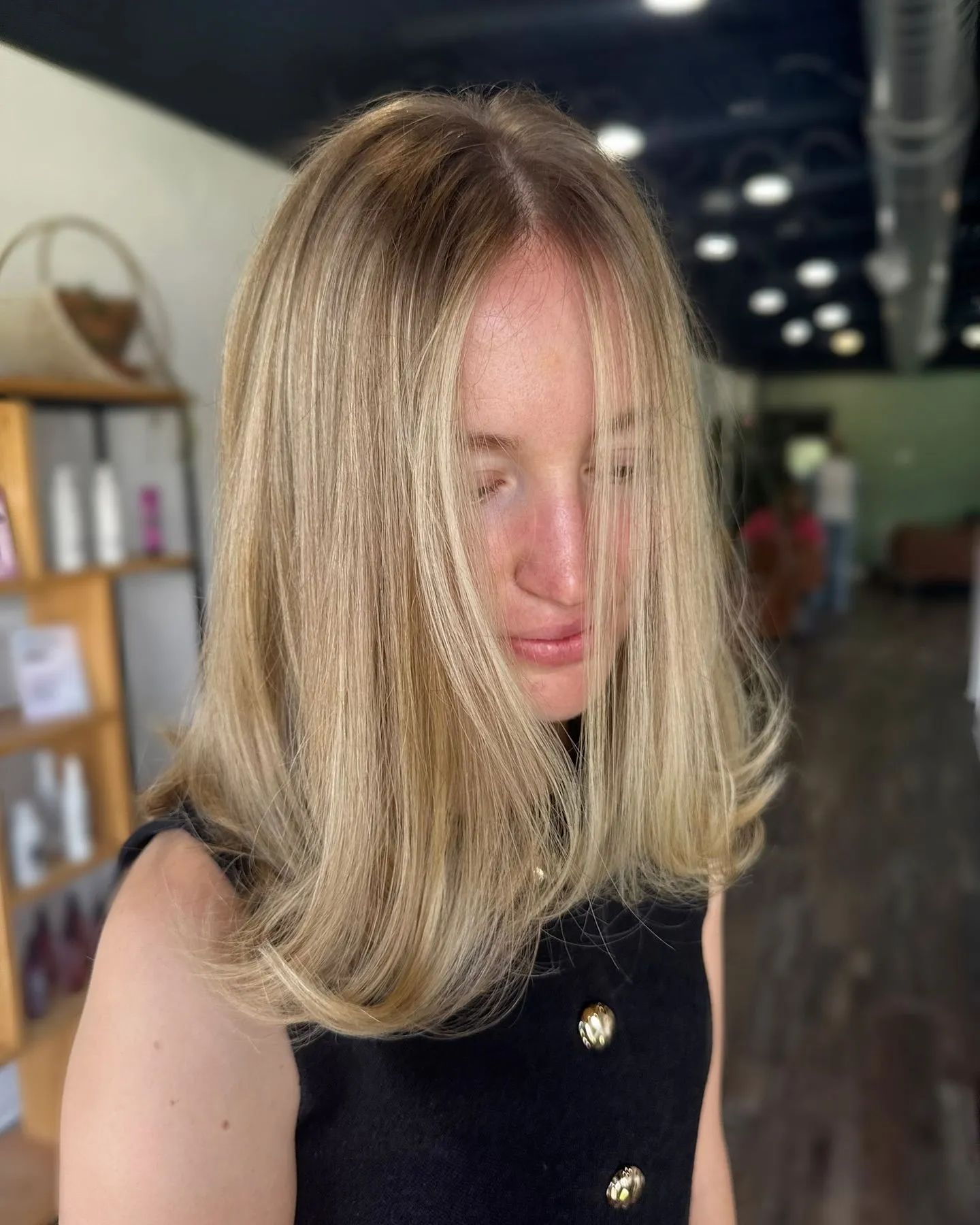
Blonde hair does this on its own, and toning on the right schedule is what keeps it from happening. Most lightened blondes need a fresh tone every four to six weeks, with light upkeep at home in between. After thousands of blonding appointments, we can usually predict almost to the week when a client will text us saying the brass is back. It is rarely a mistake in the color. It is chemistry, water, and time doing what they always do to lightened hair.
The Short Answer on How Often to Tone Your Blonde Hair
Plan to tone your blonde hair roughly every four to six weeks, then adjust from there based on how fast your warmth returns. That window covers most clients who get highlights, balayage, or an all-over lightening. If you wash daily, swim often, or live with hard water, you may land closer to the four-week mark. If you wash twice a week and protect your hair from the sun, you can often stretch toward six or seven.
Toning is not the same as recoloring. A tone or a gloss sits on top of the work already done and corrects the warmth that surfaces as your color settles. Skipping it does not damage your hair, but it lets brass build until the only fix is a heavier service.
Why Your Blonde Keeps Turning Brassy
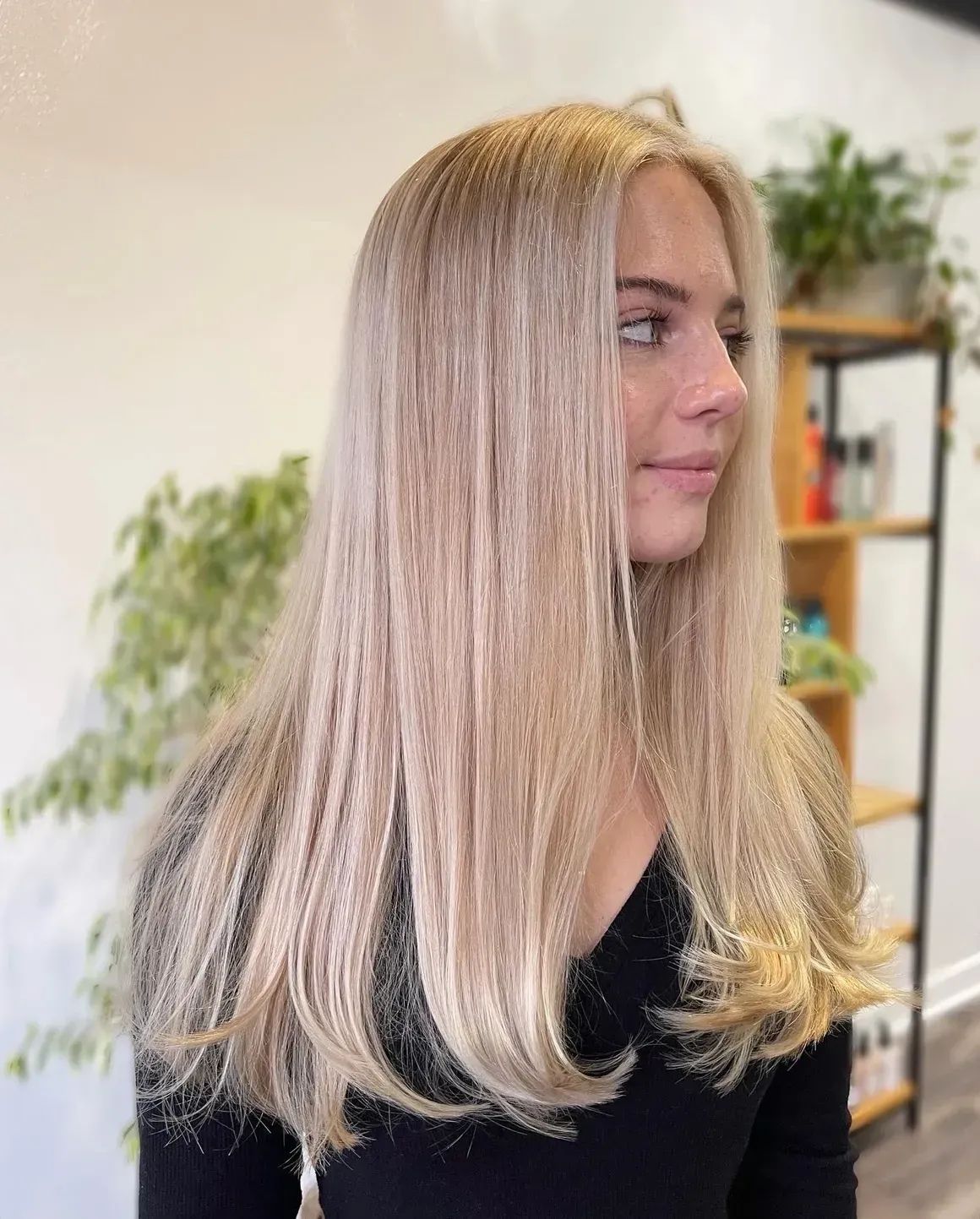
Brass returns because lightening removes the dark pigment in your hair and exposes the warm pigment underneath. Every strand carries layers of yellow, gold, and orange beneath its natural color. When we lift you to blonde, we strip the cool covering away and reveal those warm tones. Toner deposits a sheer cool pigment, usually in the violet and blue family, that cancels the warmth and gives you that clean, icy finish.
That toning pigment is a deposit, not a permanent change. It washes down a little with every shampoo and fades fully within four to six weeks for most people. Once it clears, the underlying warmth shows through again. The more lift your hair has had, the more exposed warmth there is to manage, which is why platinum and high contrast blondes need toning more often than soft, low lift looks.
Sun, heat styling, and minerals in your water all speed the process. Lightened hair is porous, so it absorbs whatever it touches. That porosity is what lets toner work, and also what lets brass creep back faster than you expect.
What Toning and Glossing Actually Do
Toning corrects unwanted warmth, and glossing does that while also adding shine and depth. A toner neutralizes yellow and orange using opposite shades on the color wheel. A gloss does the same neutralizing while laying down a clear or tinted shine layer that smooths the cuticle and bounces light.
For most of our blonde clients, a gloss is the better choice. It refreshes your tone, revives shine that dulls from washing and heat, and leaves the hair smoother. Both services are gentle because they deposit pigment without lifting, so they do not weaken your strands the way bleaching does. That is why we can tone often without harming your hair, as long as we are not over saturating it with cool pigment.
How Your Hair Decides Your Toning Schedule
Your toning schedule depends more on your hair than on any general rule. Porosity comes first. Highly porous hair grabs toner quickly and releases it just as fast, so it often needs refreshing every four weeks, while healthier hair holds tone longer.
Your level of lift matters next. A bright platinum has almost no pigment shielding it, so warmth surfaces fast. A buttery or beige blonde with lowlights woven through hides returning brass and buys you time. Daily washing, hot water, swimming, and long sun exposure all pull tone out sooner. We map this during your consultation so your refresh visits match your hair instead of a generic calendar.
Keeping Brass Away Between Salon Visits
The right home routine stretches your tone and shortens our chair time. A purple or blue toning shampoo, used one to two times a week, neutralizes surface yellow between visits. Lather it, leave it for two to three minutes, and rinse. Used in moderation, it keeps your blonde bright without changing your base.
Wash less often and cooler, since hot water opens the cuticle and lets pigment escape. Sulfate free shampoo, a weekly hydrating mask, and heat protectant before any hot tool all help porous blonde hair hold its color longer. If you swim, rinse with fresh water first so your hair soaks up less of what is in the pool. None of this replaces a salon tone, but it can be the difference between a four week and a six week refresh.
What Lynchburg Water and Weather Do to Blonde Hair
Water is the quiet culprit behind a lot of fast fading blonde in our area. Plenty of homes around Lynchburg, and especially in the surrounding parts of Bedford, Amherst, and Appomattox counties, run on well water or harder lines that carry iron and other minerals. Those minerals cling to porous lightened hair and oxidize, pulling cool blonde toward orange and gold within days of a fresh tone. Clients who move here from softer water regions often notice their blonde browning out faster than it ever did, and water is almost always the reason.
Our Virginia summers add humidity and strong sun, both of which lift tone and dry the hair. Pool and lake season brings chlorine that fades pigment and can leave a green cast on very light blondes. Winter swings the other way, with indoor heat and constant hot tools drying the cuticle. We adjust toning frequency and recommend a mineral removing treatment for clients whose water is clearly working against them.
Mistakes That Make Brass Worse
The most common mistake we see is reaching for purple shampoo every single day. It feels productive, but daily use can leave hair dull, flat, and sometimes faintly gray or violet, because the pigment overstays. One or two uses a week is plenty.
Another frequent issue is trying to tone over mineral buildup without removing it first. If iron and copper are coating your hair, a fresh toner will not grab evenly, and the warmth comes right back. The buildup has to go first. We also see clients box tone at home without knowing their underlying level, which can turn ashy hair muddy or push warm hair greener. It is an understandable attempt to save a visit, but blonde is unforgiving, and fixing an off tone is harder than getting it right the first time.
Frequently Asked Questions
Can I tone my blonde hair at home?
You can soften brass at home with a purple or blue toning shampoo, but true toner needs precise pigment and timing. At home formulas cannot read your underlying level, so booking us for a gloss gives cleaner, longer lasting results.
Does purple shampoo count as toning?
Not quite. Purple shampoo neutralizes yellow on the surface and stretches your color between visits, but it does not deposit lasting pigment the way a professional toner or gloss does. Think of it as upkeep, not a real toning session.
How long does a toner last?
A professional toner usually holds for four to six weeks before warmth returns. Porosity, water quality, and how often you wash all shift that window. Highly porous or heavily lightened hair tends to release toner faster and needs sooner refreshing.
Why did my hair turn brassy so fast?
Fast brass usually points to mineral heavy water, lots of sun, or frequent hot washing. Lightened hair has no melanin shielding it, so iron and copper in local water oxidize quickly and pull your blonde warm within days of a fresh tone.
Will toning damage my blonde hair?
Toning alone is gentle because it deposits pigment without lifting. Damage comes from the lightening underneath or from over toning with harsh at home mixes. Spacing sessions properly and pairing them with bond support keeps your blonde healthy while staying cool.
Trusted Blonding Experts Keeping Your Color Cool Longer
The core principle is simple. Brass is not a color mistake, it is the natural warmth in your hair resurfacing as your tone fades, and toning on a four to six week rhythm is what holds it back. In our part of Virginia, mineral heavy water and strong summer sun make that warmth return faster, so a steady toning schedule matters even more here than elsewhere. At Pavia Salon, we have spent years keeping blondes bright across Lynchburg, Virginia. When your blonde starts pulling warm, book a gloss with us and we will read your hair, your water, and your routine, then tone it to last.
Recent Posts